For many seeking an affordable, practical route to a career or a four-year degree, Ivy Tech College in Indianapolis isn’t just an option—it’s the smartest starting point. With rising tuition costs and student debt at record highs, this public community college delivers real value: hands-on training, transfer pathways, and connections to local employers—all without the financial burden of a traditional university.
This isn’t a backup plan. It’s a strategic move.
Why Ivy Tech College Indianapolis Stands Out
Ivy Tech isn’t just the largest community college in Indiana—it’s a critical workforce engine. The Indianapolis campus, part of a statewide network, serves over 10,000 students annually with programs tailored to regional job demand. Unlike large universities focused on theory, Ivy Tech emphasizes applied learning, ensuring students graduate ready to contribute on day one.
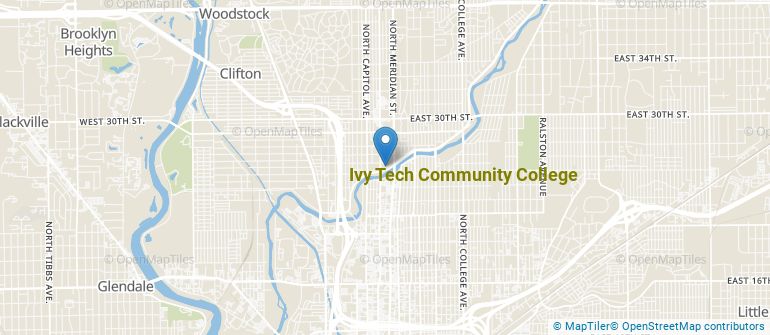
The college operates across multiple locations in the metro area, including its main campus on South Madison Avenue and satellite centers in Lawrence, Greenbrier, and the Indianapolis International Airport. This multi-site model increases accessibility for working adults, career changers, and high school students earning dual credits.
What sets Ivy Tech apart is its responsiveness. When local manufacturers need CNC technicians or hospitals call for more radiologic technologists, the curriculum adapts quickly—often within a year. This agility keeps graduates competitive in fields like advanced manufacturing, healthcare, IT, and logistics.
Academic Programs That Lead to Jobs
Ivy Tech Indianapolis offers more than 70 programs across high-demand industries. These aren’t broad, generalized degrees—they’re precision tools designed for specific career outcomes.
Top In-Demand Programs
- Nursing (ADN): One of the most competitive programs, with clinical rotations at Eskenazi Health, IU Health, and Community Hospital. Graduates qualify for NCLEX-RN and often secure jobs before graduation.
- Information Technology: Specializations in cybersecurity, networking, and software development. Partnerships with Salesforce and Microsoft provide certification pathways.
- Advanced Manufacturing: Covers robotics, automation, and CNC machining. Students train on industry-grade equipment and often intern with Subaru or Rolls-Royce.
- Automotive Technology: ASE-certified training with hybrid and EV systems. Graduates are recruited by local dealerships and fleet operators.
- Business & Supply Chain Management: Designed for logistics roles in Indianapolis—a national hub for distribution. Courses include SAP and warehousing operations.
Each program includes general education credits that transfer seamlessly to Indiana’s public universities through the Statewide Transfer General Education Core (STGEC). A student earning an associate degree in business at Ivy Tech can transfer to IUPUI or Indiana State with full junior status.
Flexible Learning for Real Lives
One of the biggest misconceptions about college is that it requires a full-time commitment. At Ivy Tech Indianapolis, that’s not the case.
The college offers:
- Hybrid courses: Combine online learning with weekly labs or seminars.
- Evening and weekend classes: Ideal for those working full-time.
- Accelerated 8-week terms: Complete two courses in half the time.
- Online-only programs: Fully remote options in fields like business, IT, and psychology.

Take Maria, a single mother working nights at a call center. She enrolled in the online medical coding certificate program, taking one 8-week course at a time. Within 10 months, she earned her credential and landed a remote billing job at $22/hour—tripling her previous income.
This kind of flexibility is baked into the college’s mission. Advisors help students create degree plans that fit around shifts, childcare, and transportation realities.
Cost That Makes Sense
Tuition is the biggest barrier to higher education. Ivy Tech cuts that barrier down.
For the 2023–2024 academic year, in-county tuition runs about $175 per credit hour. A full-time student taking 12 credits pays roughly $2,100 per semester—less than one month’s tuition at many four-year schools.
And when you factor in aid, the cost drops further:
- Pell Grants: Cover tuition for eligible low-income students.
- Workforce Innovation and Opportunity Act (WIOA): Funds training for unemployed or underemployed adults.
- Ivy Cares: Emergency grants for students facing housing or food insecurity.
- Employer reimbursement: Many local companies, including FedEx and Eli Lilly, cover Ivy Tech tuition for employees.
A student earning an associate degree in IT could graduate with zero out-of-pocket cost and land a job at $60,000/year—achieving ROI within 12 months.
Compare that to a four-year degree with $30,000 in debt and no guaranteed job at the end.
Transfer Pathways to Four-Year Degrees
Many assume community college limits future options. At Ivy Tech, it expands them.
Through articulation agreements, associate degree holders can transfer to:
| University | Common Transfer Majors | Typical Time to Bachelor’s |
|---|---|---|
| IUPUI | Nursing, Business, IT | 2 additional years |
| Indiana State | Education, Criminal Justice | 2 years |
| Vincennes University | Aviation, Cybersecurity | 2 years |
| University of Indianapolis | Psychology, Management | 2 years |
These agreements lock in junior standing and ensure credits count. No lost semesters. No wasted effort.
Students who start at Ivy Tech and transfer often graduate with the same degree—and lower debt—than those who started at the university.
Career Services That Connect You to Jobs
Ivy Tech doesn’t just teach skills—it connects students to employers.
The Indianapolis campus hosts:
- Career fairs twice per year, attended by 50+ regional employers.
- Resume workshops and mock interviews with HR professionals.
- Job shadowing and internships arranged through industry partnerships.
- LinkedIn profile clinics and networking events with alumni.
In 2023, 84% of Ivy Tech Indianapolis graduates were employed, continuing education, or both within six months of graduation. For healthcare and IT programs, that number jumps to 92%.
One standout: the Apprenticeship Indiana program. Students earn while they learn, working for companies like Cummins or Dow as paid apprentices while completing coursework. Upon graduation, many are offered full-time roles.
Support Beyond the Classroom College is more than classes. It’s persistence.
Ivy Tech provides robust support systems:
- Academic coaching: Weekly check-ins to track progress and adjust study habits.
- Tutoring centers: Free drop-in help for math, writing, and science.
- Childcare assistance: Referrals and partial subsidies for on-site providers.
- Mental health counseling: Confidential sessions with licensed therapists.
- Food pantry: Located at the Madison campus, open to all students.

These services address the real-life challenges that derail many students. A student failing algebra isn’t just struggling with equations—they might be working 40 hours, parenting, or dealing with anxiety. Ivy Tech’s advisors look at the whole picture.
Common Mistakes to Avoid
Starting college at Ivy Tech can be smooth—if you avoid these pitfalls:
- Skipping the orientation: First-gen students who attend orientation are 30% more likely to return the next semester.
- Overloading early: Taking four courses in the first 8-week term often leads to burnout. Start with two.
- Ignoring transfer rules: Not all credits transfer. Always consult an advisor before enrolling in non-core courses.
- Missing financial aid deadlines: FAFSA and state aid applications have cutoffs. Submit by March 10 for maximum aid.
- Not using career services early: Employers hire students who prepare early. Attend a career fair in your first semester.
Small missteps can delay graduation by semesters. Smart planning prevents them.
How to Get Started
Enrolling at Ivy Tech Indianapolis takes fewer than five steps:
- Apply online at ivytech.edu—free and takes 15 minutes.
- Take the Accuplacer placement test (waived for some with recent SAT/ACT scores).
- Meet with an academic advisor to build your degree plan.
- Apply for financial aid using FAFSA (school code: 007043).
- Register for classes—as early as possible to get your preferred times.
Admissions reps are available Monday–Friday at the Madison Avenue campus or via virtual appointment. No entrance exam is required—open access means everyone gets a chance.
For those unsure of their path, the Career Coach tool on Ivy Tech’s website lets you explore jobs by salary, growth, and required education. You can test-drive careers before committing to a program.
Starting at Ivy Tech College Indianapolis isn’t settling. It’s accelerating.
You gain skills employers want, save thousands in tuition, and build a foundation for long-term success—all while staying rooted in your community. Whether you're a recent high school grad, a veteran, or an adult returning to school, this isn’t the end of the road. It’s the launchpad.
Enroll on your terms. Graduate on schedule. Move forward—faster.
FAQ
Is Ivy Tech College Indianapolis accredited? Yes. Ivy Tech is accredited by the Higher Learning Commission (HLC), ensuring credits transfer and degrees are recognized by employers.
Can I attend Ivy Tech full-time while working? Absolutely. With evening, weekend, hybrid, and online options, many students balance work and school successfully.
Do employers hire Ivy Tech graduates? Yes. Major employers like Eli Lilly, IU Health, and Amazon actively recruit from Ivy Tech programs.
How long does it take to earn a degree? Most associate degrees take two years full-time. Certificates can be completed in 6–12 months.
Can I transfer to a university after Ivy Tech? Yes. Ivy Tech has guaranteed transfer pathways to Indiana public universities and many private schools.
Are campus facilities open to all students? Yes. Students have access to labs, libraries, tutoring, and career services at all Indianapolis locations.
What if I don’t know what to study? Academic advisors and the Career Coach tool help you explore options based on interests, skills, and job market demand.
FAQ
What should you look for in Ivy Tech College Indianapolis: Your Path to Affordable Higher Education? Focus on relevance, practical value, and how well the solution matches real user intent.
Is Ivy Tech College Indianapolis: Your Path to Affordable Higher Education suitable for beginners? That depends on the workflow, but a clear step-by-step approach usually makes it easier to start.
How do you compare options around Ivy Tech College Indianapolis: Your Path to Affordable Higher Education? Compare features, trust signals, limitations, pricing, and ease of implementation.
What mistakes should you avoid? Avoid generic choices, weak validation, and decisions based only on marketing claims.
What is the next best step? Shortlist the most relevant options, validate them quickly, and refine from real-world results.