Hollywood runs on reinvention—but sometimes, reinvention is just recollection in disguise. Matthew Lillard knows this better than most. After years of wandering film’s backroads—from voice work in Scooby-Doo to indie dramas and stage performances—he’s back in the spotlight. And he’s not pretending it’s because audiences suddenly rediscovered his talent. “I don’t think anyone really likes me,” Lillard once said. “They just miss the old times.” That raw honesty cuts through the usual PR veneer. It also reveals a deeper truth about the entertainment industry: nostalgia isn’t just a feeling. It’s a hiring strategy.
The Comeback Built on Memory
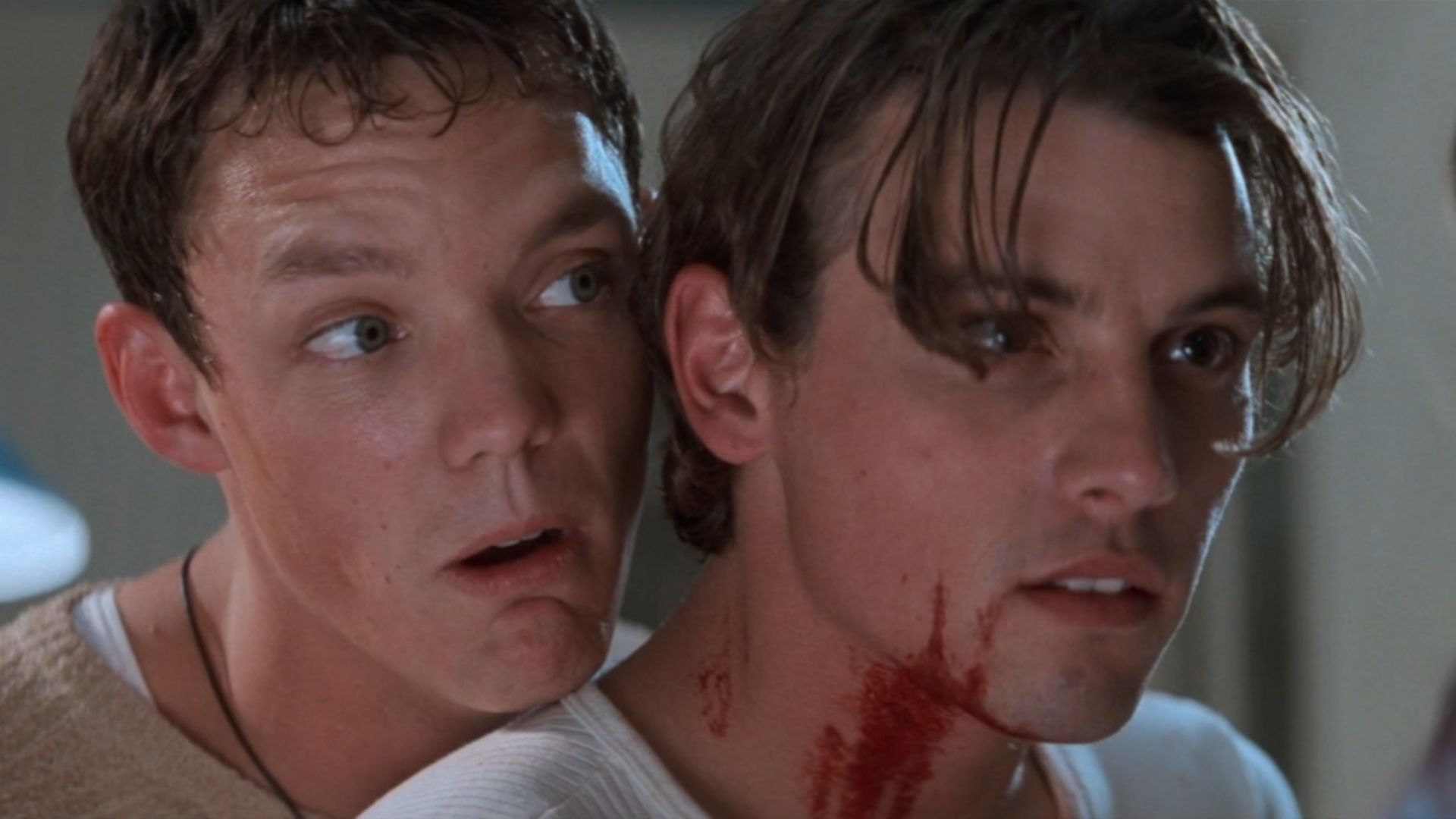
Matthew Lillard’s recent resurgence isn’t the result of a viral performance or a late-career awards push. It’s timing—specifically, the cyclical hunger for 90s and early 2000s culture. When Scream (2022) brought Ghostface back to theaters, it didn’t just revive a franchise. It resurrected an era. And with it came Stu Macher—the chaotic, grinning instigator Lillard played in the original 1996 film.
But Lillard didn’t just return in flashbacks or archive footage. He reentered the conversation as a living piece of nostalgia. His appearance in Scream (2022) and Scream VI wasn’t about advancing a character. It was about closure, reference, and emotional resonance. Fans didn’t need Stu to have changed. They needed to see him again.
That’s the engine behind Lillard’s second wave: recognition, not reinvention.
“I think nostalgia is one of the reasons Hollywood is hiring me again,” Lillard admitted in a recent interview. “I don’t think anyone really likes me. They just miss the old times.”
It’s a line delivered with humor, but it carries weight. It suggests that for actors of a certain era, relevance isn’t earned anew—it’s borrowed from the past.
Nostalgia as Currency in Modern Hollywood
The film and TV industry has turned nostalgic recycling into a science. Reboots, sequels, and legacy sequels dominate box office charts. Top Gun: Maverick, Ghostbusters: Afterlife, Obi-Wan Kenobi, And Just Like That…—all bank on audiences wanting to reconnect with characters they once loved.
This trend creates opportunities for actors who might otherwise have faded from view. But it also raises questions: Are these roles a testament to enduring appeal? Or are they just emotional placeholders?
For Matthew Lillard, the answer leans toward the latter. He wasn’t cast in Scream VI because of a standout performance in an obscure 2018 thriller. He was cast because the sight of his face—wide-eyed, slightly unhinged—triggers a memory. That memory sells tickets.
Studios know this. They track social media nostalgia waves, mine Reddit threads, and study streaming data to pinpoint which characters and actors still resonate. When they find one, they bring them back—sometimes in meaningful roles, often as cameos.
Lillard’s return fits the pattern. And he’s not alone.
Other Actors Riding the Nostalgia Wave
Lillard’s experience mirrors that of several of his peers. Here are five actors who’ve seen renewed attention thanks to nostalgic demand:

- Neve Campbell – Returned as Sidney Prescott in Scream (2022) after years away from the franchise. Her presence was a major selling point, even though her role was limited.
- Jason Bateman – Found new fame with Ozark, but also benefited from the resurgence of interest in 80s/90s teen films like The Break-Up rewatch culture.
- Tiffani Thiessen – Re-entered pop culture through The Beach Club and Saved by the Bell revival, leveraging her 90s heartthrob status.
- Elijah Wood – Still active, but his Lord of the Rings reunion at Amazon’s ring pavilion sparked massive online engagement, reminding fans of his iconic role.
- Linda Cardellini – Gained new fans through Dead to Me, but her casting often draws on her legacy from Freaks and Geeks and Scooby-Doo.
These comebacks aren’t accidents. They’re calculated responses to audience sentiment. And while talent matters, timing and memory matter more.
The Double-Edged Sword of Being Remembered
There’s a fine line between being beloved and being remembered. Matthew Lillard walks it daily.
On one hand, nostalgia opens doors. It gets him meetings. It puts him on screen. It reconnects him with fans who grew up quoting Stu Macher’s “Do you like scary movies?” at sleepovers.
On the other hand, it can be limiting. If audiences only want the version of you from 25 years ago, where’s the room to grow?
Consider Lillard’s post-Scream work. He’s taken roles in thrillers, dramas, and even horror-comedies. But none have broken through like his association with Stu. Even his voice role as Shaggy in Scooby-Doo projects—while beloved—ties him to a character defined decades ago.
This isn’t failure. It’s the reality of being typecast by time.
Some actors resist it. Others embrace it. Lillard seems to do both—using the platform nostalgia gives him while quietly pushing beyond it.
Typecasting vs. Legacy: What’s the Difference?
Typecasting and legacy are often used interchangeably, but they’re not the same.
- Typecasting traps an actor in a mold. Think of performers stuck playing cops, villains, or sidekicks because that’s all casting directors see them as.
- Legacy, meanwhile, is about cultural memory. It’s the impact a role had—and how it continues to live on.
Lillard isn’t just typecast as Stu or Shaggy. He’s tied to a moment. The 90s slasher revival. The dawn of self-aware horror. The era when Scooby-Doo went from cartoon to live-action camp.
That legacy gives him value—but only if the industry wants to revisit that era.
When it does, he’s hired. When it moves on, he risks fading again.
The challenge? Using that legacy to open new paths. Lillard has tried. He directed Godfather of Harlem episodes, explored theater, and produced indie films. But these efforts rarely get the same attention as his Ghostface-adjacent appearances.
Why Honesty About Nostalgia Matters
What makes Lillard’s comment so powerful isn’t just its bluntness—it’s its clarity.
In an industry built on illusion, admitting that you’re back because people miss the past is almost radical. Most actors would frame it as a triumphant return, a second act earned through perseverance.
But Lillard skips the spin. He calls it what it is: a nostalgia hire.
And in doing so, he names something many performers feel but won’t say.
- The 40-something actor booked for a reunion tour not because of current work, but because fans still love the band’s second album.
- The sitcom star cast in a streaming reboot because focus groups responded well to their old catchphrase.
- The voice actor brought back for a cartoon revival because “it wouldn’t be the same without them.”
These decisions aren’t always about art. They’re about emotion. And Lillard’s honesty exposes that truth.

It also frees him. By acknowledging the role nostalgia plays, he doesn’t have to pretend his return is about critical acclaim or viral fame. He can work within the system—using the spotlight to do what he loves, even if the reason he’s on camera isn’t entirely flattering.
Can Nostalgia Be a Launchpad?
The real question isn’t whether nostalgia brought Matthew Lillard back. It’s whether he can use it to stay.
History offers mixed results.
- Mark Hamill leveraged Star Wars nostalgia to return as Luke Skywalker—but then used that exposure to dominate voice acting (The Joker in Batman: Arkham series, for example).
- Courteney Cox returned to horror with Scream (2022), proving she could still carry genre work beyond Monica from Friends.
- Keanu Reeves revived his career through John Wick, using nostalgia for his action roots to launch a new franchise.
Lillard has the tools. He’s a skilled character actor with range, stage training, and directorial experience. But he needs a breakout role—a project that lets audiences see him not as Stu, not as Shaggy, but as Matthew Lillard, the artist.
Until then, he’ll ride the wave. And that’s okay. Waves can carry you to shore—if you’re ready to swim the rest of the way.
Moving Forward Without Looking Back
Matthew Lillard’s story isn’t unique. It’s a mirror held up to Hollywood’s current obsession with the past. Studios aren’t just revisiting old ideas—they’re rehiring old faces.
But nostalgia fades. Trends shift. And audiences eventually crave something new.
For actors like Lillard, the goal shouldn’t be to stay in the rearview mirror. It should be to drive forward while letting fans wave from the sidelines.
That means taking risks. Choosing original projects. Building a body of work that stands apart from the icons of youth.
It won’t be easy. But if anyone can do it with humor, honesty, and a little irreverence, it’s the guy who once said, “I don’t think anyone really likes me.”
Because sometimes, self-awareness is the first step to being truly seen.
Final Thought: Nostalgia opens doors—but only talent, persistence, and smart choices keep them open. For Matthew Lillard, the comeback isn’t the victory. The next move is.
FAQ
Why is Matthew Lillard relevant again? He’s been brought back largely due to nostalgia, especially following his appearance in the new Scream films, which revived interest in the original cast.
Did Matthew Lillard really say no one likes him? He said, “I don’t think anyone really likes me—they just miss the old times,” highlighting how nostalgia, not personal popularity, drives his current roles.
What role is Matthew Lillard famous for? He’s best known as Stu Macher in Scream (1996) and as the voice of Shaggy in Scooby-Doo films and series.
Is Matthew Lillard still acting? Yes, he continues to act in films, TV shows, and voice roles, with recent appearances in the Scream franchise.
Has nostalgia helped other 90s actors return? Yes—actors like Neve Campbell, Courteney Cox, and Jason Bateman have seen renewed careers due to nostalgic demand for 90s and early 2000s content.
Can nostalgia hurt an actor’s career? It can limit opportunities if an actor becomes too associated with a past role, making it harder to be seen in new, serious, or diverse parts.
What should Matthew Lillard do next? To sustain his career, he should pursue original, leading roles—especially in indie films or dramatic work—that showcase his range beyond nostalgic characters.
FAQ
What should you look for in Matthew Lillard on Nostalgia and Hollywood’s Second Chance? Focus on relevance, practical value, and how well the solution matches real user intent.
Is Matthew Lillard on Nostalgia and Hollywood’s Second Chance suitable for beginners? That depends on the workflow, but a clear step-by-step approach usually makes it easier to start.
How do you compare options around Matthew Lillard on Nostalgia and Hollywood’s Second Chance? Compare features, trust signals, limitations, pricing, and ease of implementation.
What mistakes should you avoid? Avoid generic choices, weak validation, and decisions based only on marketing claims.
What is the next best step? Shortlist the most relevant options, validate them quickly, and refine from real-world results.