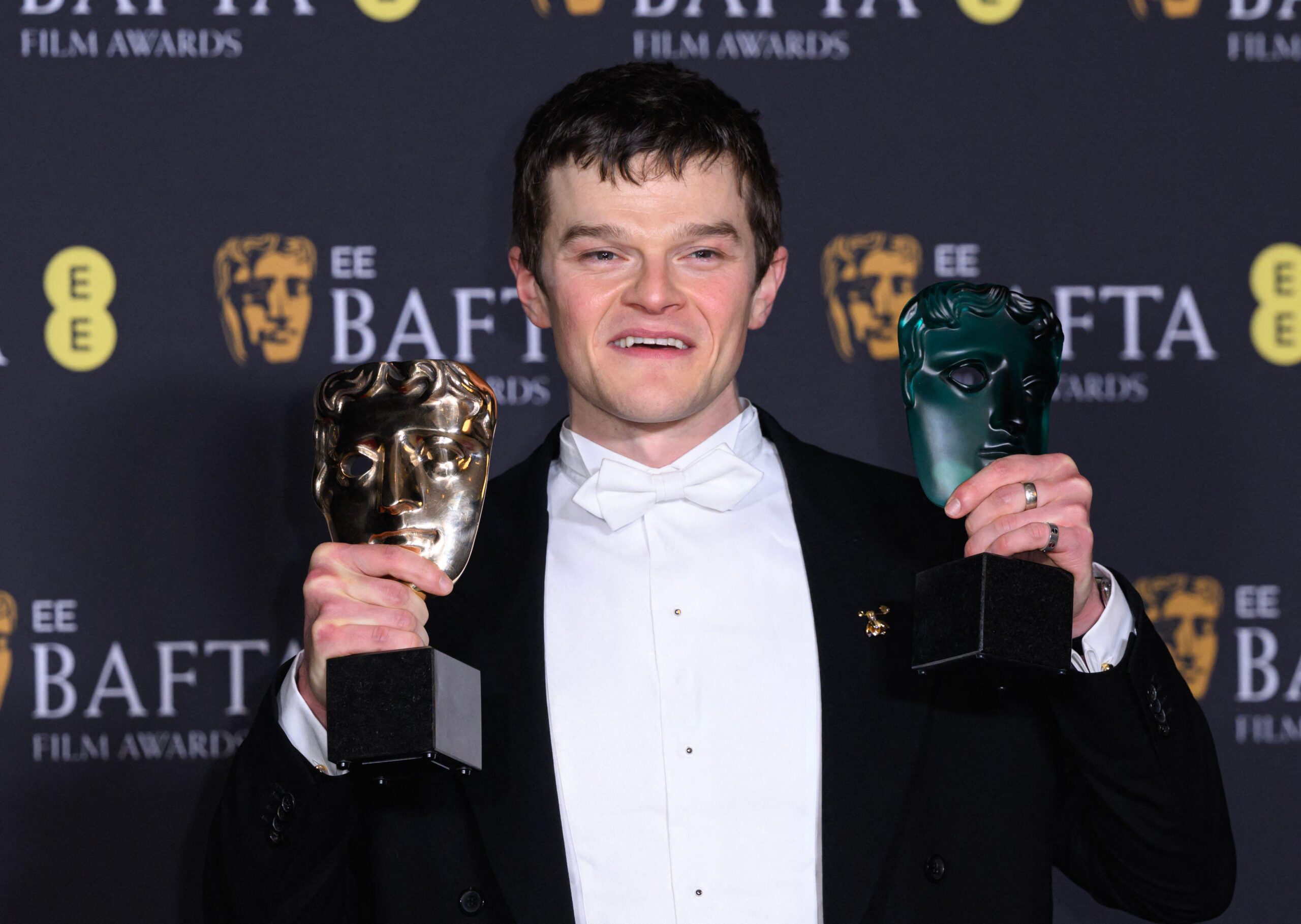
When a television show lands not one but two BAFTA Craft Awards, it’s not just a victory — it’s a statement. Adolescence, Netflix’s critically adored British drama, has done exactly that, continuing its meteoric rise by claiming top honors at the 2026 BAFTA Craft Awards. The series, already a cultural flashpoint, solidified its reputation for technical and narrative brilliance, outshining even the buzzy newcomer Celebrity Traitors, which managed a single win despite heavy pre-show hype.
This isn’t just about trophies. It’s about craft. And Adolescence, from its cinematography to its sound design, has become the gold standard for what premium streaming drama can achieve.
Adolescence: The Anatomy of a Craft Masterclass
Adolescence didn’t just win — it won in categories that matter to the artisans behind the scenes. The show took home the awards for Best Photography & Lighting: Fiction and Best Sound: Fiction, two disciplines that are often overlooked by mainstream audiences but are vital to immersive storytelling.
These aren’t vanity prizes. These are nods to the meticulous work of teams who operate behind the camera, shaping tone, mood, and emotional resonance.
Why Photography & Lighting Mattered in Adolescence
The show’s visual language is distinctive: stark, naturalistic, and drenched in the grey-blue palette of northern English towns. The winning episode, "The Edge of Something", used handheld camerawork and minimal artificial lighting to amplify the raw tension of a pivotal confrontation between protagonist Jamie and his estranged father.
Director of Photography Elena Márquez employed vintage lenses to introduce subtle flares and imperfections, rejecting the slick, over-polished look common in streaming dramas. The result? A sense of realism that made every frame feel lived-in.
This win signals a shift in industry values — away from glossy perfection and toward authenticity.
The Unseen Power of Sound in Storytelling
Adolescence’s sound design is equally revolutionary. The award-winning sound team, led by veteran mixer Declan Rowe, treated silence as a character. In the episode "Echo Chamber", the absence of a score during a panic attack scene forced viewers into Jamie’s sensory overload — muffled dialogue, amplified heartbeats, and the sudden spike of a ringing phone.
Rowe’s team recorded custom ambient sounds in actual high schools, capturing the acoustics of crowded hallways, slamming lockers, and distant chants from sports fields. These textures were then subtly layered into background tracks, creating an almost documentary-like immersion.
It’s rare for a sound team to win outside of sci-fi or action genres. Adolescence proves that emotional intimacy can be just as sonically complex as a space battle.
Celebrity Traitors: A Strong Debut, But Not Quite There
While Adolescence swept the technical categories, Celebrity Traitors — the reality-drama hybrid from Channel 4 and AMC+ — wasn’t left empty-handed. The show won Best Editing: Multi-Camera for its innovative approach to real-time confessionals and live audience reactions.
The format, a twist on the classic "traitor" game show, features A-list celebrities competing in high-stakes challenges while secretly betraying one another. The editing team, led by rising star Naomi Lin, developed a split-screen technique that juxtaposed players’ smirking confessions with the oblivious reactions of their teammates — all in real time.
It was flashy. It was fun. But critics noted that the flashiness came at the expense of depth.
Where Celebrity Traitors Fell Short
Despite its technical ingenuity, Celebrity Traitors was absent from key categories like Production Design, Costume, and Original Music — areas where Adolescence was nominated but didn’t win. The show’s aesthetic leaned heavily on neon lights, branded backdrops, and generic luxury sets, which the BAFTA craft jury deemed “serviceable but unoriginal.”
One judge, speaking anonymously, said: > “It’s great television, but great craft? Not quite. It’s designed for TikTok clips, not lasting impact.”
That distinction — between popularity and craftsmanship — may explain why Celebrity Traitors, despite massive ratings, only secured one award.
The Bigger Picture: What These Wins Reveal About TV in 2026
The 2026 BAFTA Craft Awards weren’t just about individual shows. They reflected a broader evolution in how television is made — and valued.
Streaming’s Craft Revolution
The rise of platforms like Netflix has led to longer production cycles, bigger budgets for below-the-line roles, and greater creative freedom. Adolescence, filmed over nine months with minimal studio interference, exemplifies this.
Unlike traditional broadcast TV, where episodes are churned out rapidly, streaming allows for deliberate pacing in both storytelling and technical execution. This shift is now being recognized by institutions like BAFTA, which historically leaned toward British broadcast stalwarts like Line of Duty or The Crown.
The Craft Gap Between Drama and Reality
The contrast between Adolescence and Celebrity Traitors underscores a growing divide. Scripted dramas are investing more in craft, while reality formats — even high-budget ones — often prioritize speed and spectacle over subtlety.
That’s not inherently bad. Reality TV serves a different purpose. But for craft awards, depth wins over dazzle.
Other Notable Winners and Surprises
While Adolescence and Celebrity Traitors dominated headlines, other shows made quiet but significant statements.
- Best Production Design: Fiction went to The Hollow Crown: Reckoning, the historical drama’s lavish recreation of 15th-century London earning praise for architectural accuracy.
- Best Make Up & Hair Design was awarded to Mirror, Mirror, a psychological thriller that used prosthetics to depict rapid aging over a 48-hour period.
- Best Special, Visual & Graphic Effects was a surprise win for Neon Ruins, a low-budget sci-fi series that achieved cinematic quality on an indie budget.
Meanwhile, fan favorite Kensington PD was shut out entirely, despite six nominations — a reminder that craft awards often favor innovation over consistency.
Why Craft Awards Matter More Than You Think
It’s easy to dismiss craft categories as “technical” or “niche.” But they shape what we see, hear, and feel — often without us noticing.
Consider this: - A poorly lit scene can make a performance seem flat. - Bad sound design can ruin emotional beats. - Weak editing can break narrative flow.

When a show like Adolescence wins in these categories, it’s not just a win for the crew — it’s a win for storytelling itself.
The Ripple Effect on Future Productions
Winning a BAFTA Craft Award doesn’t just bring prestige. It influences hiring, funding, and creative direction across the industry.
For example: - Elena Márquez (DP, Adolescence) has already been approached by HBO for an upcoming limited series. - Declan Rowe’s sound team has launched a masterclass series on immersive audio for indie filmmakers. - Netflix has greenlit a spin-off of Adolescence focused on the school’s music program — a direct nod to the show’s sonic strength.
These wins have real-world consequences.
The Future of Adolescence — And British Drama
With two BAFTA Craft Awards in hand, the pressure is on for Season 4 of Adolescence. The show has already been renewed, and insiders suggest a time jump is in the works, following Jamie as he navigates university life and early career struggles.
But the real legacy may be how it’s redefining standards. Other UK dramas are now hiring dedicated sound designers and lighting consultants earlier in pre-production — a trend that didn’t exist five years ago.
Even broadcasters are taking note. The BBC recently announced a £10 million fund to support craft development in new series, citing Adolescence as inspiration.
Final Takeaway: Craft Is No Longer Behind the Scenes
The 2026 BAFTA Craft Awards proved one thing: the artisans are no longer invisible.
Adolescence didn’t win because it was popular. It won because every frame, every sound, every shadow was intentional. It’s a show that respects the craft — and in doing so, elevated the entire genre.
Celebrity Traitors may have drawn the crowds, but Adolescence earned the respect.
If you’re creating, producing, or even just watching television, pay attention to the craft. Because that’s where the future of storytelling is being shaped — quietly, deliberately, and with extraordinary precision.
FAQ
Did Adolescence win any BAFTA TV Awards, or just Craft Awards? As of 2026, Adolescence has won two BAFTA Craft Awards but has yet to win a BAFTA Television Award, though it remains nominated in major categories.
What episodes of Adolescence won the craft awards? The wins were attributed to the episodes "The Edge of Something" (Photography) and "Echo Chamber" (Sound), both from Season 3.
Who created Adolescence? The series was created by writer-director duo Amina Khalil and Tom Greaves, known for their work on Grave End and The Estate.
Is Celebrity Traitors returning for another season? Yes, Channel 4 confirmed a second season with a new cast, set to premiere in late 2026.
Were there any controversies during the BAFTA Craft Awards? Some fans criticized the lack of diversity among winners, particularly in technical roles. BAFTA responded by announcing a new inclusion initiative for 2027.
How many nominations did Adolescence receive? The show received seven BAFTA Craft nominations and won two.
Where can I watch the winning episodes of Adolescence? All episodes are available on Netflix globally, with behind-the-scenes features on the craft team’s process.
FAQ
What should you look for in BAFTA Craft Awards Winners: Adolescence Dominates? Focus on relevance, practical value, and how well the solution matches real user intent.
Is BAFTA Craft Awards Winners: Adolescence Dominates suitable for beginners? That depends on the workflow, but a clear step-by-step approach usually makes it easier to start.
How do you compare options around BAFTA Craft Awards Winners: Adolescence Dominates? Compare features, trust signals, limitations, pricing, and ease of implementation.
What mistakes should you avoid? Avoid generic choices, weak validation, and decisions based only on marketing claims.
What is the next best step? Shortlist the most relevant options, validate them quickly, and refine from real-world results.